Cyanotype Cards This Grade 9 lesson plan is easily adaptable for Grade 10-12 students. There are various options for creating cyanotypes, also known as “sun prints” (collecting plants, finding various objects, inverting photos, using stencils, etc.).
Monsters in My Head: Otani Workshop – Middle School+ lesson plan inspired by Japanese artist, Shigeru Otani that includes a mixed media painting project, as well as a ceramic sculpture that incorporates found materials.
Introduction to Carving: Soap Carving An Intermediate lesson that looks at Indigenous carving in BC, as well as the ancient art of carving from various civilizations. It provides suggestions for different age/skill levels.
Expressive Line Drawing Grade 4+ lesson plan inspired by the work of Shantell Martin, a British visual artist best known for her large scale, black-and-white line drawings, which she often performs for a live audience. Works especially well for Black History Month.
Line, Identity & Storytelling inspired by Shantell Martin A Grade 9 lesson plan inspired by the artist’s large scale black-and-white line drawings, but also incorporates the performance aspect of her work through video production of the drawing process.
Lighted Wire Sculptures A Grade 9/10 lesson plan inspired by Alexander Calder’s work with kinetic sculptures, mobiles, and stabiles that uses wire, fairy lights, and old theatre lighting gels.
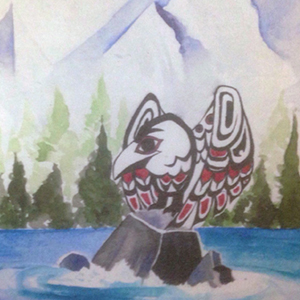
Weaving with Memory Lesson share of a two-month long exploration of weaving techniques with emphasis on and appreciation for past and present traditions of Coast Salish weaving practices. Upper Primary or Intermediate.
Gyotaku: Japanese Printmaking Intermediate lesson plan that has also been used successfully with students in Grade 1, combining watercolour washes with fish prints.
Sculpted Figures in Motion A Grade 9/10 project that uses wire, fabric, plaster of paris, and acrylic paint. Students learn about expressive movement, elongation, and distortion.
Casting a Shade This lesson is aimed at students in Grades 2-7, and is an introduction to 5 different shading techniques to encourage students to expand their ability to show the effects of light and texture in their drawings.
Proud to be Me This is a drawing unit for Grade 2+ that acknowledges different family structures and ethnicities. Medium: pencil, black Sharpie, and watercolour paint.
Umbrella Revolution This Grade 9+ lesson plan was inspired by the events of the 2014 protests in Hong Kong, known as “The Umbrella Revolution”. Students explore an issue of importance to them through their own umbrella painting.
InsideOut Self-Portraits Students make connections between personal appearance and the part of the identity we cannot see. They explore ways of revealing or celebrating their identity in a mixed media, self-portrait project. References Gr. 7-8 curriculum, although the examples are from Gr. 3-4.
Pop Icon Printmaking Grade 9 lesson plan that uses digital technology as part of the image development process to make linocut prints of pop icons, while making considered colour choices. Can be adapted for other grade levels.
Canada’s Flag Project A collaborative big buddy/little buddy art unit between Primary and Intermediate students inspired by lines from “We are cultures strung together then woven into a tapestry.” (Shayne Koyczan, “We are More”)
Personality Preserves Grade 8-9 lesson plan inspired by the work of Aganetha Dyck, focusing on one’s identity and personal experiences. Students “preserve” artifacts that represent aspects of themselves and their lives through water bath canning.
Forensic Sketch Artist An engaging Intermediate lesson in which students are divided into 2 groups, with the “sketch artists” creating “forensic sketches” based on descriptions provided by the “witnesses”.
Street Art A short Grade 8 lesson, where students learn about graffiti and other forms of street art, and then create and design their own tags. The lesson is intended to address misconceptions about graffiti, and to deepen their understanding of it as an art form.
The Art of Geometry with Triangles An integrated Grade 6/7 Mathematics and Visual Arts lesson that looks at the work of M.C. Escher and quilting artisans to see how geometry can be used in art and design.
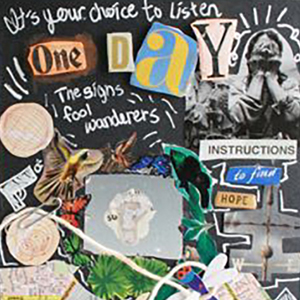
Visual Journalling – presents the purpose(s) of visual journals, along with resources, examples, and Learning Standards of the BC Curriculum.
Stop Motion Using Apps This lesson has been designed for a) younger students; b) people who are new to animation; c) those who don’t have access to more sophisticated film equipment; d) anyone who would benefit from simpler technology. Even with simpler technology, creative students can produce some terrific work. Please note that the app information is out-of-date ($, etc.)
The Social Contract A simple 3-day activity to allow senior students to become familiar with philosophical thinking the arts. Students look at Social Contracts as presented by Thomas Hobbes, and Lee Walton’s “Get Over It”, and then create a short video based on a social contract they have identified. Can be adapted for Intermediate students.
Drawing Closer to Nature In this Primary/Intermediate lesson, students create and photograph ephemeral sculptures, as with the work of Andy Goldsworthy.
Inquiry Project Sculptures This project has been designed as part of an ongoing inquiry process in which students choose a passion, write burning questions, and then narrow or expand their topics to find that “just-right” starting point.
Colour in St’at’imc This unit combines colour theory with the language of the St’at’imc Nation. It can easily be used with the Indigenous language of the territory in which your own school is located.
Landscapes In this Grade 4 unit, students create a cohesive series of landscapes that focus on different Elements of Art, using different media for each one. The unit also presents “The Group of Seven” and “The Indian Group of Seven”, and includes a tree sculpture component. Easily adaptable to upper and lower grades.
Picasso’s Blue Period This lesson plan involves Intermediate students buddying up with Primary students to create a large mural inspired by Picasso’s Blue Period, particularly “The Old Guitarist”.
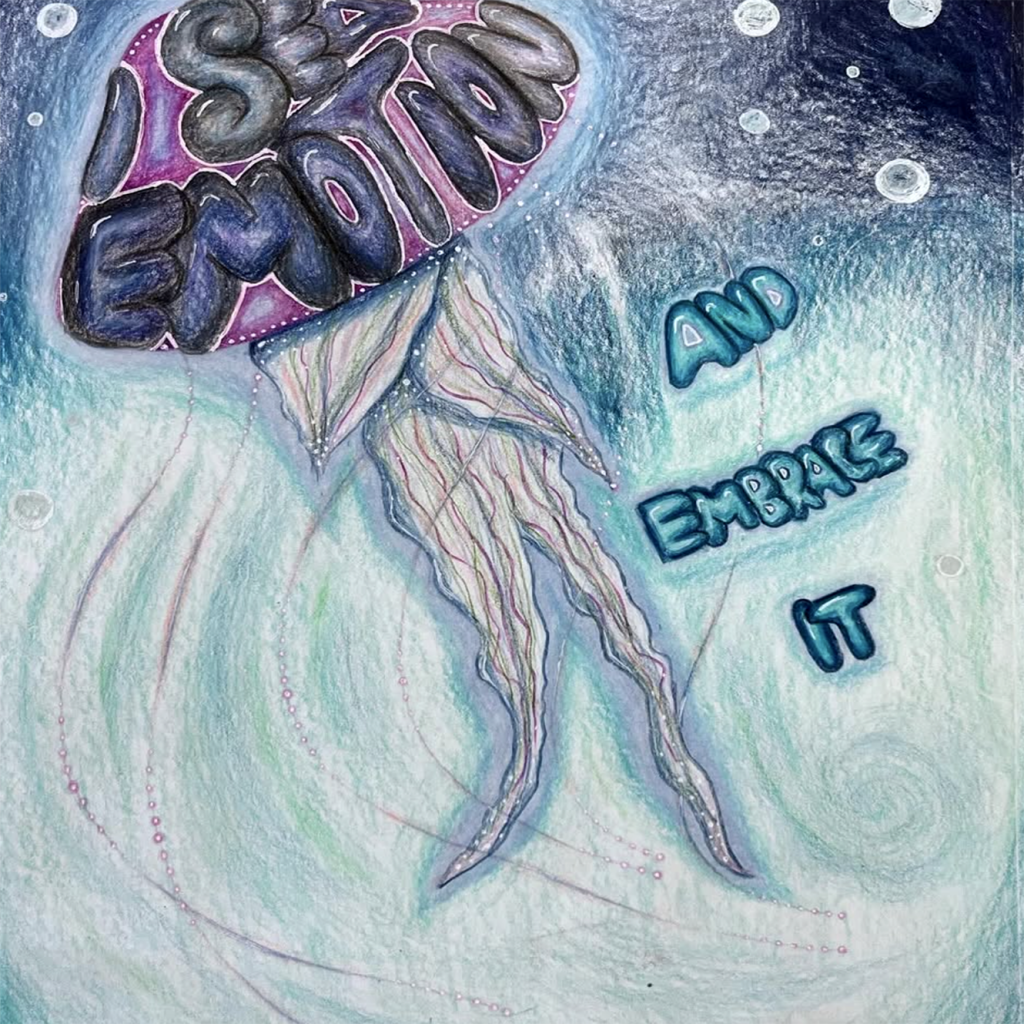
Affirmations in Art – Words that Uplift (This unit engages students in expressing identity and emotional awareness through affirmations; can be adapted for Primary and Intermediate)
The Alma Stripe painting project (Graduation lesson plan inspired by the work of African American artist, Alma Thomas; easily adaptable to Intermediate grades)
Braiding a Story – a Grade 3 unit plan in which students connect local Indigenous culture to their own. It integrates with the Social Studies curriculum.
Resources
Books & Websites A collection of books and websites you may find helpful in your teaching practice (Elementary level)
Shape: Intermediate Photography Unit A slideshow for teachers to share with their students, teaching them to consider the Element of Shape when taking digital photographs.
Element of Line in Digital PhotographyA slideshow for teachers to share with their students, teaching them to consider the Element of Line when taking digital photographs.
Introduction to Digital Photography A slideshow for teachers to share with their students when beginning a unit on digital photography. It covers basics, such as how digital cameras work and composition tips.
The Vibrancy of Visual Journals An article by North Vancouver teacher, Gamelle Fitzgibbon, on the value of visual journals for both students and teachers
Artist Inquiry Tent Cards An attractive ready-to-print-and-assemble “tent card” with inquiry prompts to guide students through responses to particular artworks. Questions range from observation to inference and opinion. Print off enough copies for your students to work in groups or pairs. One student reads from the question side, while the other(s) use the sentence starters on side 2.
Teaching Students how to Critique A list of K-12 Learning Standards from the BC curriculum that show the progression of reflection and feedback through the grades, as well as links to resources that present a variety of ways to engage in critique that are age-appropriate
Aboriginal Artists Poster This poster is a list of traditional and contemporary First Nations, Métis, and Inuit artists, arranged by alphabet. It also provides their Nation(s) and a brief description of their work (medium, genre, etc.).
Inspiration Bingo A Bingo-format collection of quick art activities ranging from sketches to sculpture and photography to stimulate creativity and thinking outside of the box.